What is Osteopathy?
Founded by Dr. Andrew Taylor Still in 1874, osteopathy is a natural, manual therapy method based on deep understanding of anatomy and physiology. It focuses on helping the body's self-healing and regulatory systems rather than just treating symptoms.
Holistic View
Sees the person as a unified system—body, consciousness, and mind
Manual Techniques
Uses hands-on therapy to improve structure and function
Self-Healing
Creates conditions for the body to heal itself naturally
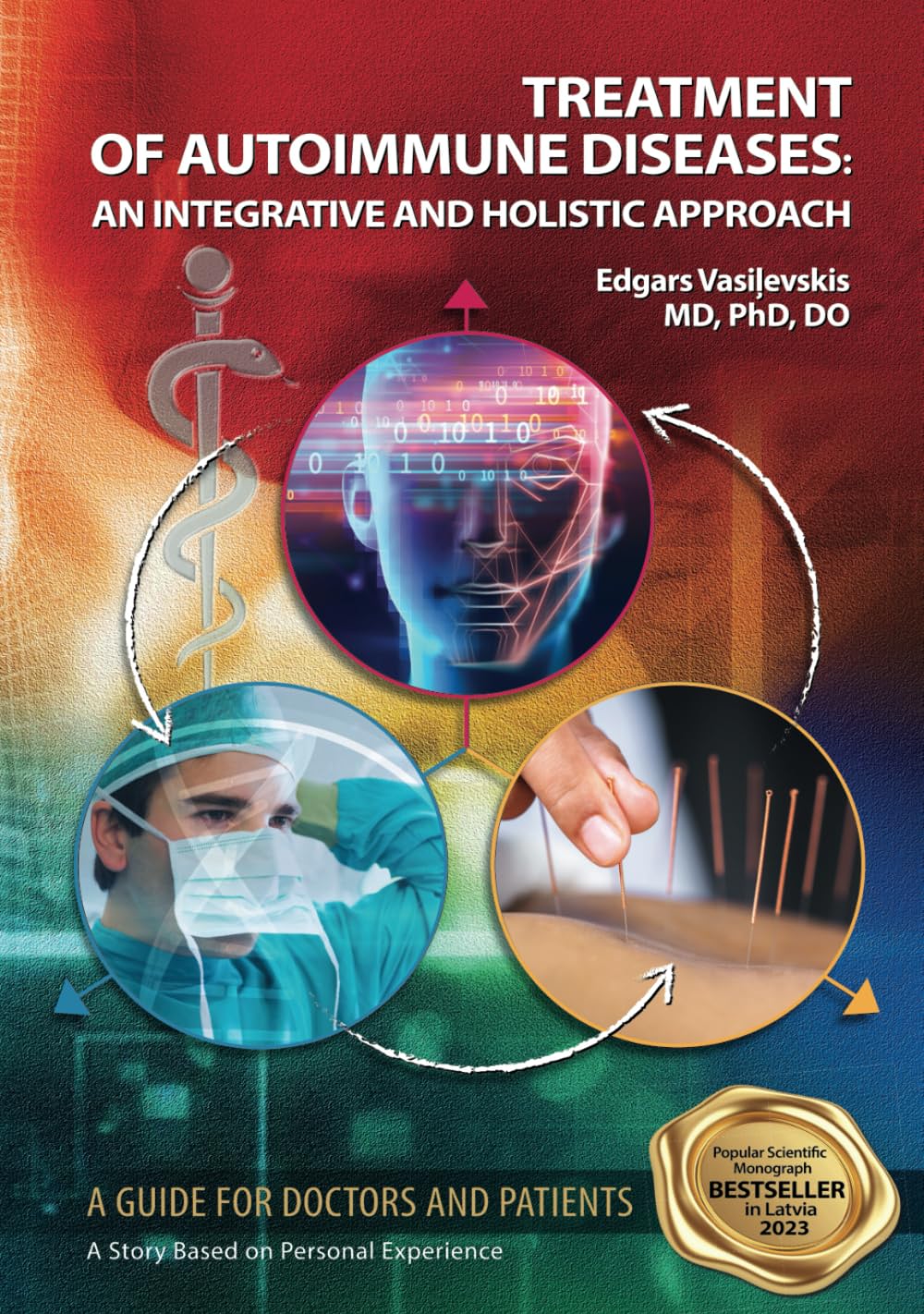
Treatment of Autoimmune Diseases
An integrative and holistic approach combining Western medical science with traditional healing practices for comprehensive patient care.
The Four Principles of Osteopathy
Dr. Still's foundational principles guide all osteopathic treatment
Body Unity
The individual is a dynamic unit combining body, consciousness, and mind. All structures are interconnected and influence each other. Your history is written into tissues, affecting adaptation to the present.
Structure = Function
Body structure determines function, and function influences structure. Deformities limit functional abilities. To be functional, structures must be free from constraints. Change structure, change function—and vice versa.
Self-Regulation
The body is capable of self-renewal and healing through immune function and tissue repair. It can help itself when well-nourished and rested. Dysfunction occurs when environmental factors exceed coping capacity.
Rational Treatment
Treatment is based on understanding body unity, self-regulation, and the structure-function relationship. Osteopaths use manual techniques to harmonize the individual and promote homeostasis.
The Law of Blood Vessels & Flow
An additional principle: circulation of fluids and nerve impulses is necessary for body balance. Obstructions must be removed for structures to function properly. This is why osteopaths work extensively with fascial sheaths and body diaphragms.
Osteopathy & Physiotherapy
Two complementary approaches with opposite orientations but perfect synergy
Physiotherapy
Approach: Correct functional limitations or disability
Focus: Remove limitations resulting from an event
Goal: Restore function through movement and exercise
Osteopathy
Approach: Find and address root causes
Focus: Remove obstacles preventing natural recovery
Goal: Correct dysfunctions blocking self-healing
"Working with both a physiotherapist and osteopath allows you to break through recovery plateaus faster. The two methods complement each other perfectly for optimal healing."
Osteopathy for Autoimmune Diseases
How manual therapy helps manage autoimmune conditions
Rheumatoid Arthritis
Research: Studies show reduction in inflammatory markers within 24 hours after first session
Multiple Sclerosis
Research: Studies confirm functional improvement compared to traditional rehabilitation alone
Supporting Immune System Organs
Osteopathic techniques improve the function of organs responsible for immune processes
Thymus
Bone Marrow
Spleen
Liver
Lymphoid Tissue
Clinical Evidence
- • Reliable increase in CD4 cells after lymphatic and splenic treatment
- • Reduced cytokine concentrations during acute inflammation
- • Improved immunity and reduced local inflammation markers