Western Medicine
Understanding autoimmune diseases through scientific research, immunology, and evidence-based treatment approaches
What is Autoimmunity?
Autoimmunity is a violation of the body's defense mechanisms in which the immune system attacks its own cells and tissues instead of protecting against external threats. This occurs when immunological tolerance to self-antigens breaks down.
Autoimmune diseases affect 5-10% of the population and represent one of the most challenging areas of modern medicine. While Western medicine has made significant advances in understanding and treating these conditions, they remain chronic and require comprehensive, long-term management strategies.
Understanding the mechanisms behind autoimmunity is essential for effective treatment and prevention strategies.
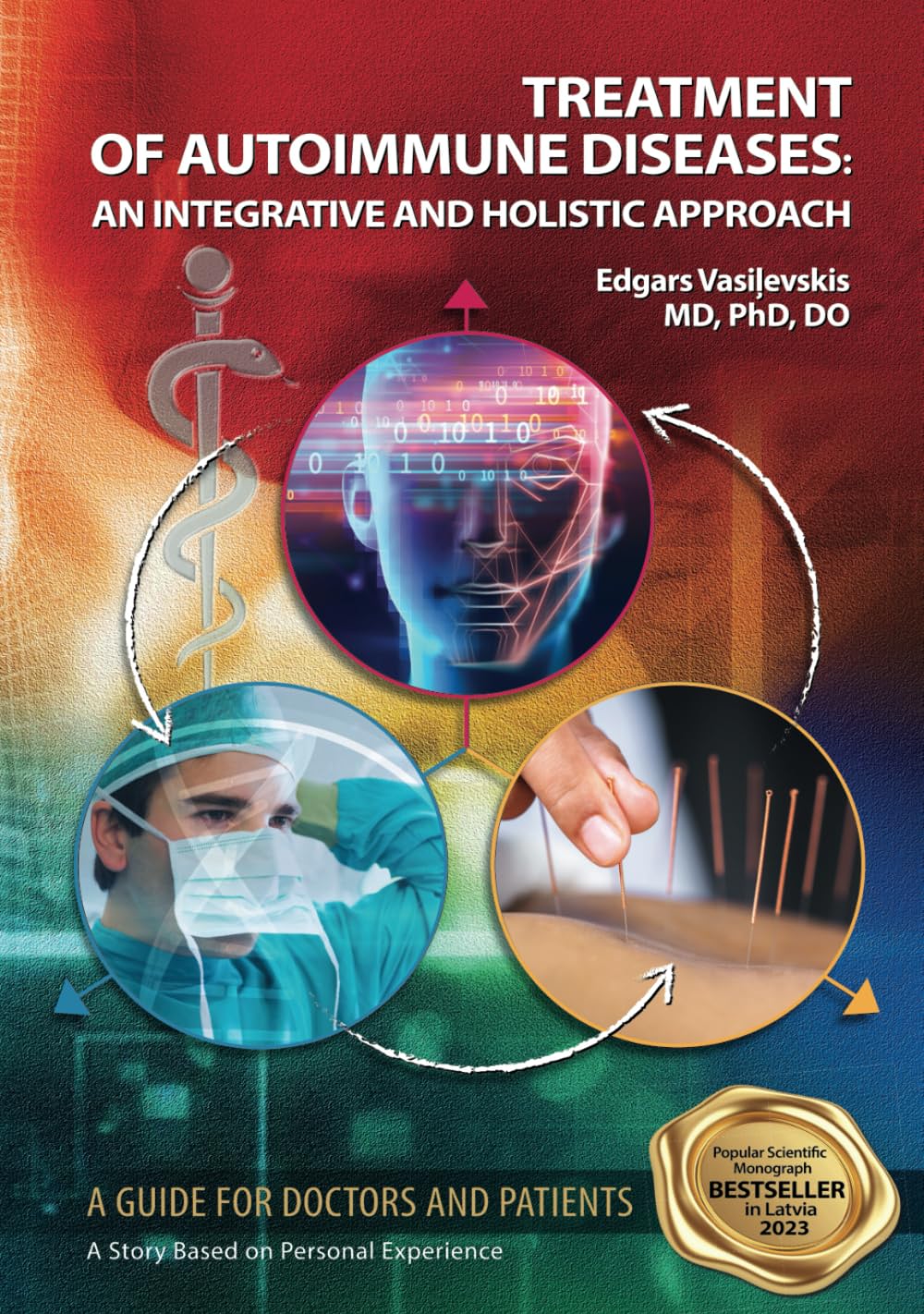
Treatment of Autoimmune Diseases
An integrative and holistic approach combining Western medical science with traditional healing practices for comprehensive patient care.
Four Main Mechanisms of Autoimmunity Development
How the immune system turns against itself
1. Lymphocyte Activation
Normally dormant self-reactive T and B lymphocytes become inappropriately activated, breaking immunological tolerance.
Example: Type 1 Diabetes - T cells attack insulin-producing pancreatic beta cells
2. Autoantibody Production
B cells produce antibodies that recognize and bind to the body's own proteins, marking them for destruction.
Example: Graves' Disease - antibodies stimulate thyroid hormone overproduction
3. Immune Complex Formation
Antibodies bind to antigens, forming complexes that deposit in tissues, triggering inflammation and damage.
Example: Systemic Lupus Erythematosus (SLE) - complexes damage kidneys, joints, skin
4. Cell-Mediated Immunity
Cytotoxic T cells directly attack and destroy the body's own cells perceived as foreign or damaged.
Example: Multiple Sclerosis - T cells attack myelin sheath in nervous system
Factors Contributing to Autoimmunity Development
Multiple influences shape autoimmune disease risk and progression
Immunodeficiency Syndromes
Weakened immune regulation fails to control self-reactive cells
Chronic Inflammation
Persistent inflammatory signals create environment for autoimmunity
Genetic Factors
HLA gene variants and family history increase susceptibility
Environmental Triggers
Infections, toxins, UV exposure can initiate autoimmune responses
Sex & Hormones
Women are 2-3x more likely; estrogen influences immune function
Age
Peak onset typically 20-40 years; some diseases begin in childhood
Diet & Nutrition
Gut microbiome, vitamin D, omega-3s affect immune regulation
Stress & Emotions
Chronic stress dysregulates immune system, triggers flares
Medications
Certain drugs can trigger drug-induced autoimmune syndromes
Treatment Principles in Western Medicine
Two complementary approaches to managing autoimmune diseases
Drug Therapy
Pharmaceutical interventions to suppress immune activity and reduce inflammation
Non-Drug Therapy
Lifestyle and complementary approaches to support immune regulation
⚠️ Important Consideration
While drug therapy is often necessary and life-saving, long-term use of immunosuppressive medications carries significant side effects. An integrative approach combining conventional treatments with evidence-based complementary therapies often provides the best outcomes with reduced medication burden.
Key Drug Categories & Side Effects
Understanding the benefits and risks of conventional treatments
1. Corticosteroids (Prednisone, Methylprednisolone)
Mechanism:
Powerful anti-inflammatory action by suppressing multiple immune pathways
Common Side Effects:
- • Weight gain, mood changes, insomnia
- • Osteoporosis, muscle weakness
- • Increased infection risk
- • Diabetes, hypertension
- • Adrenal suppression with long-term use
2. Immunosuppressants (Methotrexate, Azathioprine, Cyclosporine)
Mechanism:
Broadly suppress immune system activity, reducing autoimmune attack
Common Side Effects:
- • Liver and kidney toxicity
- • Bone marrow suppression
- • Increased infection risk
- • Nausea, fatigue
- • Increased cancer risk with long-term use
3. Biologic Agents (TNF inhibitors, IL inhibitors, B-cell depleters)
Mechanism:
Target specific immune molecules or cells, offering more precision than traditional immunosuppressants
Common Side Effects:
- • Injection site reactions
- • Increased infection risk (especially TB reactivation)
- • Allergic reactions
- • Possible increased malignancy risk
- • High cost
4. Immunomodulators (Hydroxychloroquine, Interferons)
Mechanism:
Modify immune response rather than suppress it, offering gentler regulation
Common Side Effects:
- • Retinal toxicity (hydroxychloroquine)
- • Flu-like symptoms
- • Skin reactions
- • Generally better tolerated than immunosuppressants
5. NSAIDs (Ibuprofen, Naproxen, COX-2 inhibitors)
Mechanism:
Reduce inflammation and pain by inhibiting prostaglandin synthesis
Common Side Effects:
- • Gastrointestinal ulcers and bleeding
- • Kidney damage with long-term use
- • Cardiovascular risks
- • Liver toxicity
An Insight into Psychotherapy
The Role of Psychosomatics in Treating Autoimmune Diseases
"I feel completely helpless, everything falls out of my hands. I can't do anything. The rheumatologist diagnosed me with arthritis!"
Helplessness, emptiness, uncertainty. Do these words sound familiar?
The most characteristic feature of people with autoimmune system disorders is a feeling of powerlessness that has taken over their lives. They try to escape this state through constant activity—exercising intensely, working tirelessly—seeking an illusory sense of control. Patients actively seek medical solutions, but when remission fades, anxiety returns. And so the process becomes endless.
What is this all about? Scientists search for answers in genetics and biological processes. Psychotherapists search in psychic processes and traumatic situations that are not easily accessible—memories that are weak or even completely erased from consciousness.
The Psychotherapeutic Approach
Breaking the Pathological Circle
The aim of therapy is to break the pathological vicious circle that has already developed as a mutually sustaining system. While traditional medicine offers appropriate medication, these are effective but with side effects that limit long-term use.
Reducing psycho-emotional tension and transforming traumatic situations is the goal of the psychotherapeutic approach. Thus, the pathological vicious circle can be broken on a mental level.
Why Work With a Psychotherapist?
It is not easy because it requires working with another person (psychotherapist) or group of people. Why? Because a closed system cannot change itself. To change it, another person outside it is needed.
Emotional discharge alone is not enough, as emotions are locked in memories of past situations and maintain psycho-emotional tension. Psychotherapy helps these situations to emerge and, as far as possible, to work them out, to find solutions to affects, to react to emotions and to symbolise them verbally, visually, organically.
Results of Successful Psychotherapy
- The individual can get back in touch with archaic desires and needs
- The individual feels as a whole, unified
- The perspective on past experiences changes
- Opportunity to come into contact with the personal impulses of life projects opens up
- Manifestations of autoimmune system disorders go into remission
An Insight into Nutrition
Nutrition in the Prevention of Autoimmune Diseases
"Let food be thy medicine and medicine be thy food"
Although this quote has never been found in Hippocrates' texts, one thing is clear: Hippocrates paid much attention to the relationship between health and nutrition, and according to him, health can be ensured through proper nutrition and hygiene.
Healthy nutrition is one of the cornerstones of a healthy lifestyle. Nutrition has been considered a therapeutically important tool in many traditional systems of medicine for centuries, but over the past century, as modern medicine has evolved, the importance given to it has greatly diminished.
As a result of research in recent years and a growing awareness of the fundamental importance of healthy lifestyle and food in maintaining health and preventing chronic diseases, more and more people, including more medical professionals, are convinced of the importance of nutrition.
One could say that we are witnessing a renaissance of the role of nutrition, in another dimension based on scientific evidence.
What We'll Explore in Nutrition
Inflammatory Processes
Understanding inflammation and its role in our health, and how nutrition affects chronic inflammation
Foods & Inflammation
Which foods to eat to reduce inflammation and which foods contribute to inflammatory processes
Microbiome & Microbiota
The role of gut bacteria in health and inflammatory processes, and how to promote bacterial diversity
Anti-Inflammatory Diets
Clinically proven diets like Mediterranean and Nordic diets that reduce inflammation and promote remission
Environmental Toxins
Understanding the relationship between nutrition and environmental toxins in autoimmune diseases
Gut Flora Health
Foods and practices that support the health of our gut flora and microbiome diversity
Inflammation and Its Manifestations in the Body
Acute vs. Chronic Inflammation
Acute Inflammation (Protective)
A natural, beneficial response to injury or infection. It's the body's way of protecting and healing itself—redness, swelling, heat, and pain are signs your immune system is working.
Chronic Inflammation (Harmful)
When inflammation persists for months or years, it becomes destructive. This low-grade, persistent inflammation is linked to autoimmune diseases, cardiovascular disease, diabetes, and cancer.
Signs of Chronic Inflammation
- Persistent fatigue and low energy
- Joint pain and stiffness
- Digestive issues and gut problems
- Skin problems (rashes, acne, eczema)
- Frequent infections and slow healing
Discover the Complete Western Medicine Approach
This introduction only scratches the surface. Our book "Integrative Medicine in the Treatment of Autoimmune and Inflammatory Diseases" provides comprehensive protocols, herbal formulas, acupuncture points, and detailed treatment strategies for each autoimmune condition.
Treatment of Autoimmune Diseases
An integrative and holistic approach to treating autoimmune diseases, combining Western medical science with traditional healing practices for comprehensive patient care.
- Innovative pain management strategies
- Integration of Eastern and Western philosophies
- Evidence-based chronic disease treatment
- Practical guidance for professionals
Stay Updated on Integrative Medicine Research
Subscribe to receive updates on integrative approaches to autoimmune diseases, combining Western medicine with complementary therapies.